Vape Manufacturer for Advanced Features
Finding the Ideal Vape Manufacturer: An In-Depth Guide for Retailers
Identifying the right vape supplier is critical for retailers aiming to excel in a demanding market. Quality, security, and conformity are paramount considerations. Evaluating these elements can notably influence client contentment and business image. Moreover, understanding price models and support services provides further insights. As retailers work through these challenges, uncovering the optimal strategy becomes essential for lasting achievement. What aspects should retailers consider in their evaluation framework?
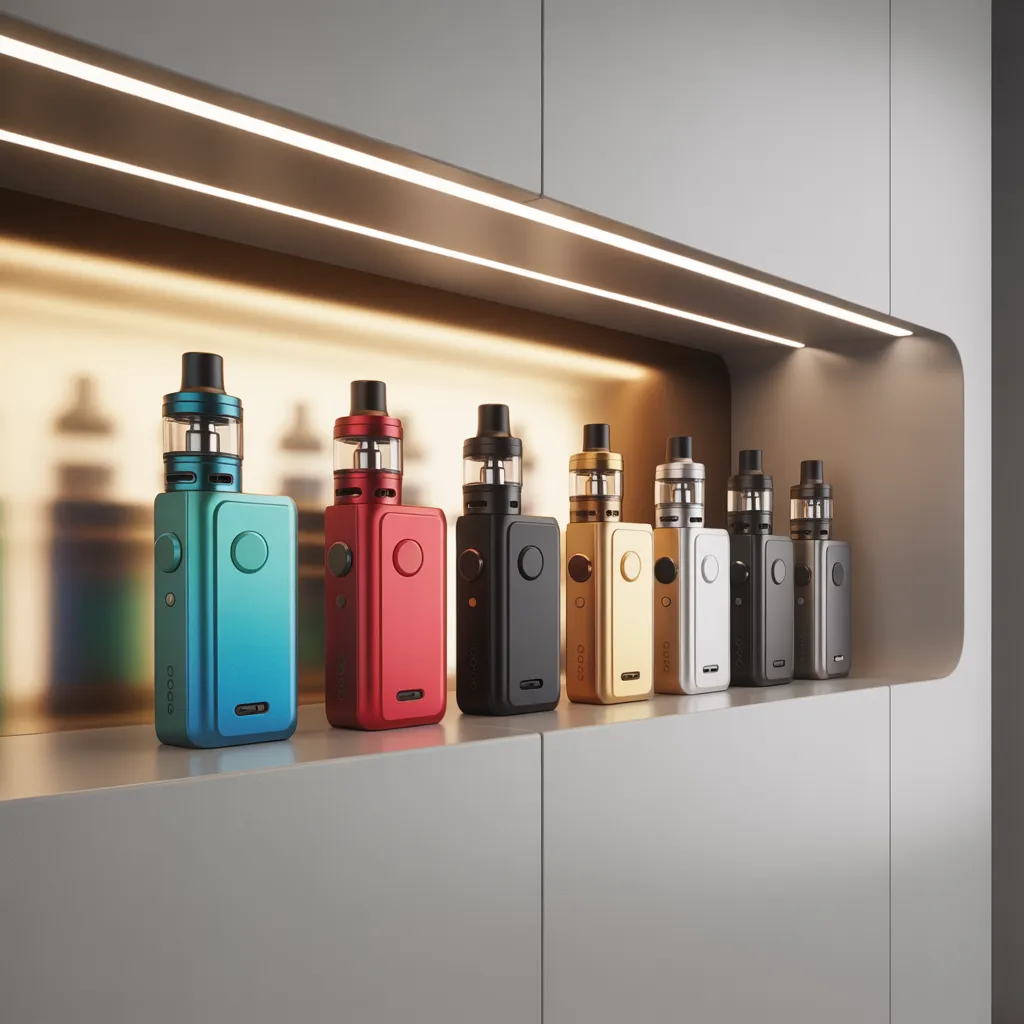
Safety and Quality Standards for Vape Manufacturers
When choosing a vape manufacturer, recognizing product quality and safety standards is crucial, as these elements directly affect consumer health and satisfaction. Manufacturers need to comply with stringent quality control processes to confirm that their products align with or exceed industry standards. This involves procuring premium-grade materials and performing comprehensive testing on each product batch.
Safety standards encompass multiple elements, including the reliability of battery units, the quality of liquid formulations, and the absence of toxic impurities. Additionally, producers should provide clear labeling, detailing substances and associated health hazards.
External testing serves as a key component of demonstrating product safety and quality. Retailers are encouraged to establish partnerships with manufacturers who are willing to share test results and certifications. By emphasizing these essential factors, retailers can guarantee they are supplying trustworthy products to consumers, thereby building lasting trust and customer loyalty in a competitive marketplace.
What Regulations Must Vape Manufacturers Follow?
Regulatory adherence is critical for vape manufacturers operating within a complex landscape of regulations. In many jurisdictions, they must follow strict standards established by government agencies and public health authorities. These requirements often cover product ingredients, label requirements, marketing practices, and consumer age limitations.
Producers are generally obligated to supply comprehensive ingredient lists and adhere to safety testing requirements to guarantee the products do not pose health risks. Moreover, various regions place constraints on promotional activities, limiting claims that can be made about the products' benefits.
Moreover, manufacturers are required to register with the appropriate authorities and might face regular inspections to verify compliance with applicable industry standards. Failing to comply with these regulations can result in serious penalties, including financial fines and product recalls. Retailers need to confirm that any manufacturer they work with has a solid understanding of these rules and regulations to reduce potential legal risks and maintain consumer trust.
Ways to Assess Manufacturer Support Services
Examining the support services of a manufacturer is a critical consideration in building a successful relationship with a vaping manufacturer. Store owners need to assess the availability and promptness of the manufacturer's customer service. A dependable support team can handle inquiries and fix issues efficiently, minimizing interruptions to business operations.
Another key consideration involves the accessibility of technical support. Vendors who provide training programs and tools can empower retailers to more effectively grasp product specifications and issue resolution. Moreover, reviewing the warranty and return policies can shed light on the manufacturer's dedication to quality and client satisfaction.
Support channels, such as phone, email, or live chat, should be straightforward to use. Retailers should also inquire about the manufacturer's process for managing recalls or product defects. In summary, extensive support services not only benefit the retailer's day-to-day operations but also promote enduring cooperation, ensuring that both sides can prosper in the competitive vape market.
Comparing Pricing Structures and Payment Terms for Vape Products
A complete understanding of pricing models and payment conditions is vital for retailers collaborating with vape manufacturers. Retailers need to assess a variety of pricing models, including volume discounts, wholesale pricing, and cost per unit, to determine the most cost-effective options. Some manufacturers offer order quantity-driven tiered pricing, incentivizing larger purchases, while some may maintain fixed prices irrespective of order size.
Payment conditions can also vary considerably. Common options include net 30, net 60, or upfront payments, which may influence cash flow. Retailers should seek manufacturers that provide flexible payment arrangements, possibly including credit arrangements or installment plans, to more effectively manage their financial obligations.
Moreover, identifying all hidden fees, for example delivery charges or restocking fees, is vital. By closely evaluating these elements, retailers can make informed decisions, ensuring they align their procurement strategies with their commercial objectives.
Assessing Manufacturer Reputation and Industry Experience
A critical aspect in selecting a vape supplier is their reputation and industry experience. A manufacturer with a solid standing typically showcases a history of high-quality products and dependable service. Distributors should gather testimonials, reviews, and case studies to evaluate product performance linked article and customer satisfaction. In addition, industry expertise is of significant importance; manufacturers who have been in the market for several years frequently have the knowledge to navigate regulatory challenges and adapt to changing trends.
Participation in industry events and collaborations with respected institutions can greatly strengthen a manufacturer's reputation. Retailers can also examine the manufacturer's history in addressing market needs and pioneering new developments. A well-established manufacturer is likely to provide stronger backing and reliability, facilitating a more effective working relationship. In conclusion, assessing credibility and expertise is essential for retailers seeking to develop a profitable vape product selection.